
September 16, 2025 |
Noida-Gurugram FAR relaxation: Will more supply hurt flat investors?
“Taller buildings = more supply. More supply = more difficult to sell existing units. Hard times are about to come.”
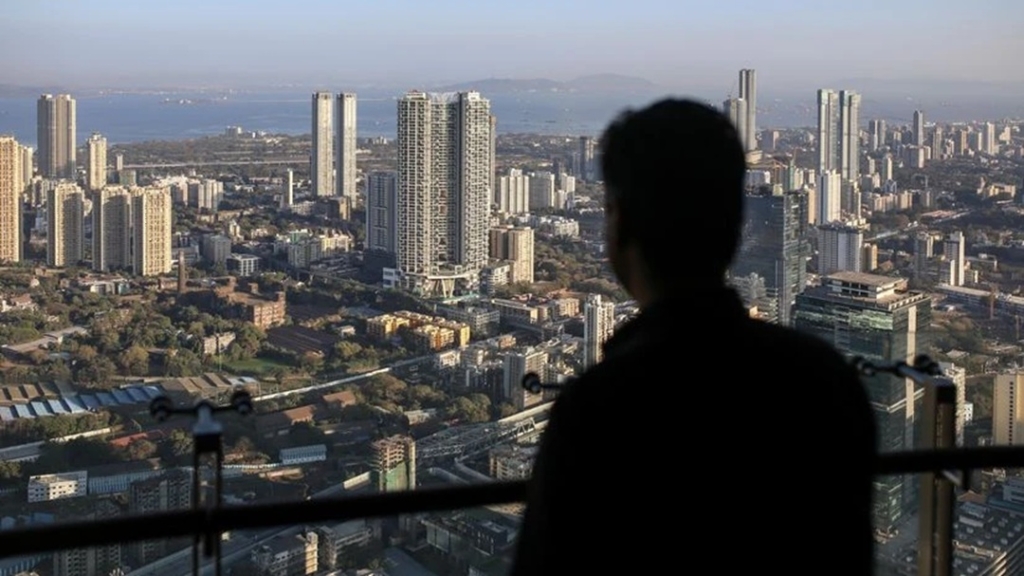
That’s how Akshat Shrivastava, founder of WisdomHatch, an investment community, summed up the Uttar Pradesh government’s plan to scrap ground coverage limits and raise floor area ratio (FAR) in Noida and Greater Noida. In a post on X, he cautioned investors who bought flats purely for appreciation, triggering debate on whether the move will lead to a glut and hurt prices, or is it an opportunity for smarter, denser growth?
FAR decoded: What it means for buyers
Sanjeev Arora, director at 360 Realtors, explains, “In simple terms, FAR is the total floor area of a building divided by the plot size. For instance, a 1,500 sq ft plot with FAR of 2 allows 3,000 sq ft of built up space. A higher FAR usually means taller buildings. Coverage limits dictate how much ground space can be used, removing them (FAR) allows fuller use of land.”
More supply, but not necessarily a glut
Relaxed FAR norms mean developers can build higher, adding more apartments within the same parcel of land. Raghav Malhotra, director at PRIME Developments, says this will “intensify supply pipelines,” which could pressure resale values in investor-heavy micro-markets. “Investors should temper expectations of steep price appreciation,” he adds.
But Arora disagrees on oversupply fears, “Demand in both Noida and Gurugram (where FAR relaxation is already applicable) is very high. These cities are no longer satellite towns of Delhi, but self-sustaining ecosystems. Oversupply risk is low for now.”
Gaurav K Singh, founder & chairman of Womeki Group, calls the move “progressive,” saying it will “unlock higher housing supply and improve affordability for end-users,” while also attracting global institutional investors.
Infrastructure: The make-or-break factor
Experts warn that civic infrastructure must keep pace. “Authorities must invest in roads, water, power and sewage networks, adopt smart metering and rainwater harvesting, and build flyovers to avoid bottlenecks,” Arora says.
What should investors do now?
Malhotra recommends focusing on ready-to-move homes in sectors with liveable infrastructure. “The higher risk is in under-construction projects, where fresh launches could flood the market and weigh on resale prospects,” he notes.
All in all, FAR relaxation brings opportunity, but investors need to be selective, and authorities must step up infrastructure upgrades for this urban growth to be sustainable.
Source: Business Standard
Related Articles
VKS Palm Drive Sector 3 Pataudi – Premium DDJAY Plots in a Gated Township
VKS Palm Drive is a well-designed residential plotted development in the new area, a Sector 3 Pataudi, locality. It is […]

Top 8 premium residential areas in Gurugram dominating the luxury real estate market
Gurugram has now become one of the most prominent real estate markets in India, especially for luxury properties. The city has […]

Pareena Aangan Sector 14 Sohna: Build Your Dream Home Near Gurgaon
Pareena aangan sector 14 Sohna is well planned residential plotted development in which modern lifestyle will be given besides the […]